|
 |
|
| Careers @ IPS |
|
| |
Vacancy for a
Associate Database Manager
IPS is looking for a suitable candidate for the post of Associate Database Manager for its Information Systems Unit
Details >>
IPS is seeking high-calibre candidates to join its research team in varying capacities. |
|
| Refresher Course |
|
| |
ISS offers a refresher course for NFP alumni on 'GLOBALIZATION AND LABOUR' with IPS
Course Content
Application Form |
|
 |
|
|
| |
|
|
|
|
| |
IPS is the apex economic policy research institute in Sri Lanka, recognized as a regional centre of excellence offering an authoritative and independent voice on economic policy analysis.
|
|
 |
 |
 |
| Regional Consultation Seminar on South Asian Positions in the WTO Doha Round, Earl’s Court, Cinnamon Lakeside Colombo, 18 June, 2010 |
 |
Regional Consultation Seminar on South Asian Positions in the WTO Doha Round was Jointly organized by Institute of Policy Studies of Sri Lanka and Consumer Unity & Trust Society [CUTS International], India. |
|
 |
| 8th General Meeting of the Poverty and Economic Policy Research Network, Dakar, Senegal, 14 – 18 June, 2010 |
 |
| IPS was awarded a grant by the Poverty and Economic Policy Network (PEP) for a proposal on: “Will a Tax on Public Servants Improve Progressivity?” presented by Nisha Arunatilake at the 8th General Meeting of the Poverty and Economic Policy Research Network in Dakar, Senegal, during 14th to 18th June, 2010. |
|
|
 |
|
|
 |
| Equity in Education Services in Sri Lanka. |
Authors: Nisha Arunatilake with Priyanka Jayawardena
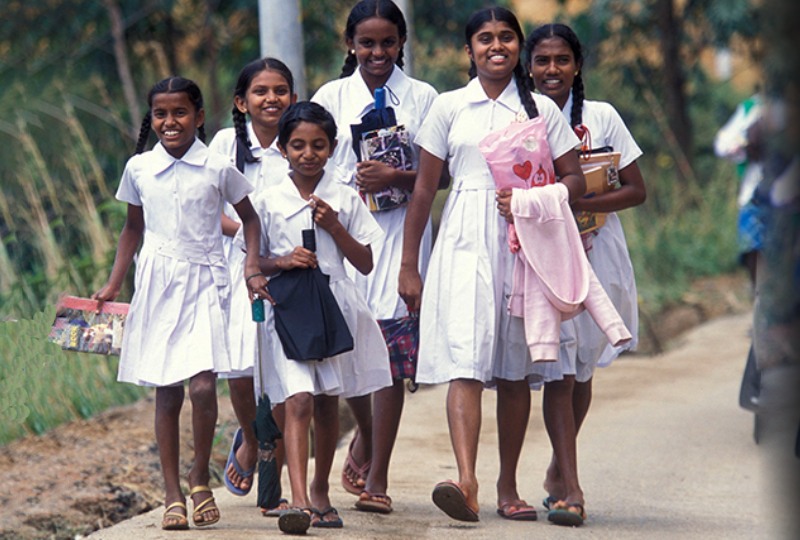
A recent IPS study funded by the ADB finds that, to achieve the government policy objectives of full access to primary and secondary education, more needs to be done to improve service delivery to most vulnerable groups and to remote areas. The study finds that access to education is inequitable at all levels, although it has improved over time. The opportunity for education participation and the access to education decreases across class for higher levels of education. The government expenditure on general education is strongly progressive at the primary level. But expenditure on general education and on teacher salaries is only weakly progressive at other levels. For main out-of-pocket expenditure items on education, such as tuition, boarding fees, transport and stationery, the poor pay a higher percentage of their incomes. |
|
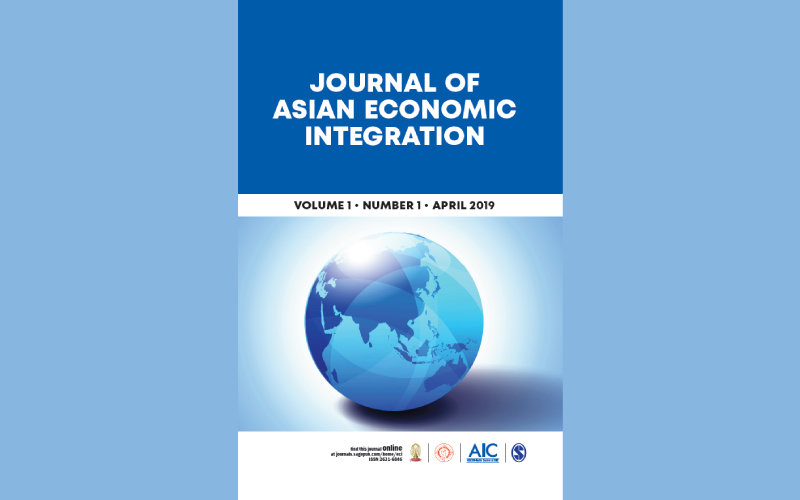
| How Can Sri Lanka’s Integration with its Neighbours and the Wider Regional Economies be Improved? |
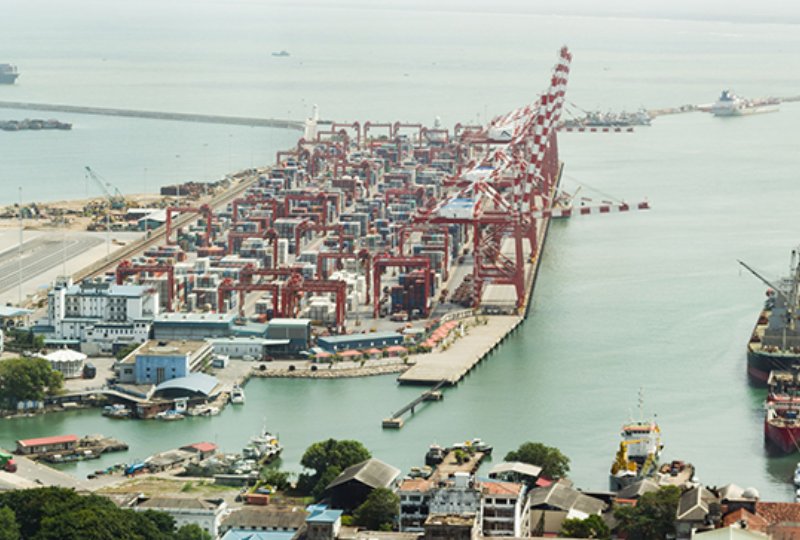
Although the extent of Sri Lanka’s trade and investment relations links with South Asia and East Asia are still rather limited, they indicate both the potential and the manner in which future developments will occur in a rapidly integrating trading and investment environment in Asia. East Asia is a significant source of FDI to Sri Lanka – both in the early stages of concentration in the garments industry, and latterly diversifying into services related activities such as telecommunications. More recently, Sri Lanka’s economic relations with India have been transformed on the back of improved bilateral political relations between the two countries. Supporting such developments, Sri Lanka has already entered into several bilateral and regional trade agreements across South Asia whilst being a party to on-going negotiations on agreements that include countries of the East Asian region. |
Publication: |
|
|
|
 |
|
 |
International Conference
29 - 30 July, 2010
Cinnamon Grand, Colombo
“Policy Priorities for Foreign Aid Reform in South Asia”
Jointly organized by the IPS and the Friedrich Ebert Stiftung
In-house Seminar
3 August, 2010
IPS, Main Conference Room
"Evaluation of the World Bank's Lending to the State of Bihar: Lessons for Developing Countries"
presented by Dr. Shekhar Shah, Regional Economic Advisor -
South Asia, World Bank
|
 |
|
|
| |
|
|
|
|
|
 |
 |
|
|
|
 |
|
|